|
|
Photo galleries
| Mother Nature/Contemporary Nature | SCS Annual Editions | Commemorative Editions |
| Crystal Nature | Annual Edition Christmas Ornaments | SCS Member and Event Exclusives |
| Numbered Limited Editions |
Swarovski's world headquarters and factory are located in Wattens, Austria. In September 2015, the company opened another manufacturing facility in Subotica, Serbia, and since 2017, more and more crystal products are labeled "Made in Serbia" on the packaging.
Ingredients used in manufacturing the crystal consist mainly of natural minerals like quartz sand, soda, and potash. The mixture is fired to a molten state, then cooled slowly to avoid stress and inclusions. Out of the coloring, cutting, and coating stages, a crystal design takes shape. Various parts of an object are joined together using a special glue that doesn't yellow with age. This ensures that the joints don't become visible over time, and the crystal piece remains clear indefinitely.
Crystal and glass collectibles usually lose most or all of their value when not mint. However, some condition issues such as parts coming loose or very small chips may sometimes be repaired with little or no adverse effect on value, as long as the work is done by a professional. Do-it-yourself repairs, including "simple" glue jobs, are possibly the worst thing anyone can do to a collectible. If repair services are not available from Swarovski, independent glassware and crystal restorers are an excellent option for gluing back pieces that have come apart. For seriously damaged items, either chipped or broken, professional restorers may be able to replace broken parts or grind down the crystal to essentially remove the chip mark. Keep in mind the nature and location of the damage as well as the piece's design and size may make the repair impossible or too expensive to be worthwhile.
So-called "fair market values" reflect how much collectors are willing to pay for a piece at a given time. I don't list any prices on these pages because my primary intent is to showcase the beauty of Swarovski crystal. If any of my photos show up on sites like eBay as part of an item description, what you see in the picture is NOT the advertised object and I am NOT the seller. Please exercise caution when you're looking to buy.
Swarovski decorative product ranges include Home Accessories, Silver Crystal, Jewelry, and the high-end Daniel Swarovski Objects. At the start of 2013, the company re-structured their crystal figurine collections into new product groups: Symbols, Characters, Nature, and Art & Statement. Other than the Annual Edition Christmas Ornaments, which are now part of the Seasonal Symbols Collection, this website does not cover the Symbols or Characters figurines.
More reading:
|
|
Slideshow Designer Signing Events Home
Swarovski periodically conducts surveys requesting collector feedback, but not input, on crystal design ideas. If I could make a wish, I would wish for a radical departure from past concepts, as spectacular as they are. Animal action scenes that tell a story would open an entirely new world of possibilities in crystal. I have no doubt Swarovski could achieve truly sensational designs like two rams charging at each other, a predator chasing prey, or an otter swimming after fish, done in a manner similar to the Wonders of the Sea Annual Editions. The greatest difficulty may be to keep such statement pieces at a price point that is not downright prohibitive.
In a 2007 online survey, I submitted a few ambitious ideas for future crystal creations that I hope will materialize someday:
Water and Grace or Winged Vision – Swan splash landing with spread wings
Running Start – Swan straining forward on water takeoff
A Whisker Away – Lynx leaping after a duck or a hare
Cutting Corners – Gazelle's evasive maneuver with cheetah in pursuit
Shimmering Feathers – A series on birds performing their courtship dance
Captive Audience – Female birds as companion pieces to Shimmering Feathers
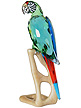
Green Macaw |
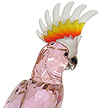
Red Cockatoo |
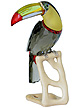
Toucan |
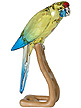
Green Rosella |
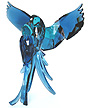
Blue Parrots |
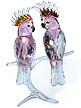
Pink Cockatoos |
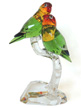
Lovebirds |
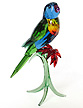
Rainbow Lorikeet |
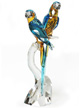
Macaws |
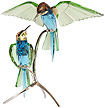
Bee-eaters |
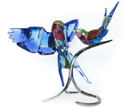
Lilac-breasted Rollers |
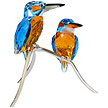
Kingfishers |

Flamingo |
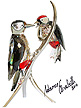
Woodpeckers |
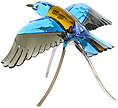
Roller |
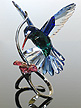
Hummingbird |

Blue Jays |

Kingfishers |
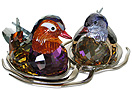
Mandarin Ducks |
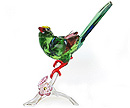
Green Magpie |
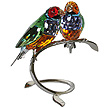
Gouldian Finches |
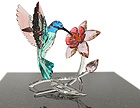
Hummingbird |
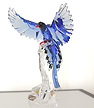
Taiwan Blue Magpie |
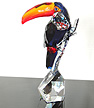
Toucan |
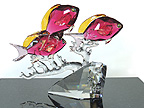
Anthias Fish Trio |
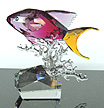
Anthias Fish |
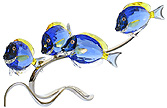
Surgeonfish |
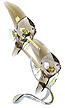
Batfish |
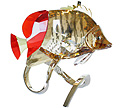
Butterflyfish |
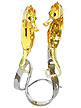
Seahorses |
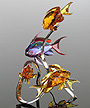
Sea Goldies |
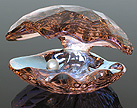
Pearl Oyster |
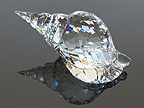
Trumpet Triton |
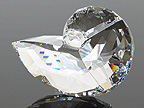
Nautilus |
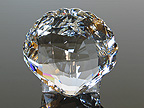
Ark Shell |
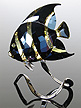
French Angelfish |

Emperor Angelfish |
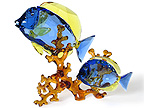
Doctorfish |

Nanuc Polar Bear |
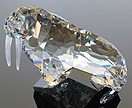
Walrus |
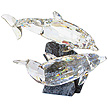
Dolphins |
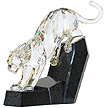
Panther |

Lion, Golden Shadow |

Bull |

Bear |
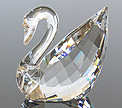
Swan |
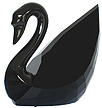
Swan, Jet |
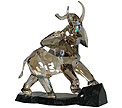
Elephant, Light Sand |
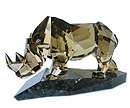
Rhinoceros |
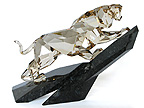
Tiger |
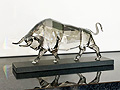
Bull |
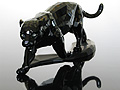
Jaguar, Jet |
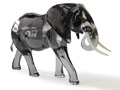
Elephant Bull |

Kudu |
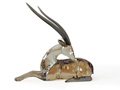
Gazelle |
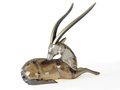
Gazelle |
Vaso Piccolo |
Posacenere |
Petit Vase |
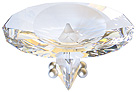
Euclid |
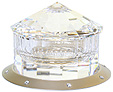
Shiva Box |

Colorado Bowl |
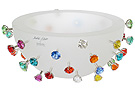
Apollo Bowl |
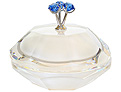
Astro Box |
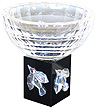
Wa Bowl |
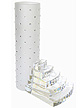
Toh Vase |
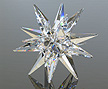
Star |
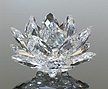
Waterlily Candleholder |

Waterlily Candleholder |

Waterlily Candleholder |

Solaris |
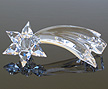
Comet |
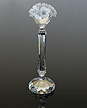
Candleholder, large |
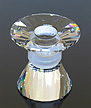
Neoclassic |

Blue Flower |

Chaton, large |
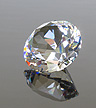
Chaton, small |
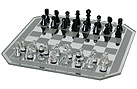
Chess Set, |

Bunch of Grapes |
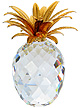
Giant Pineapple |
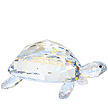
Giant Tortoise |
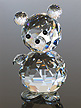
Giant Bear |
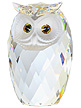
Giant Owl |
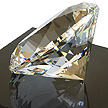
Giant Chaton |
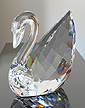
Maxi Swan |

Maxi Dolphin |
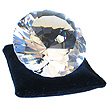
Chaton |
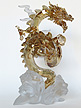
Noble Dragon, large |

Four Noble Plants |

Singing Cranes |
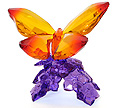
Butterfly on Flowers |
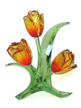
Tulips |
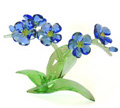
Forget-me-not |
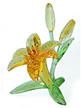
Lily |
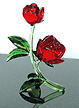
Red Rose |
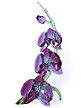
Orchids |
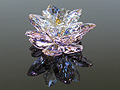
Waterlily |

Waterlily |
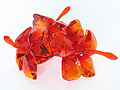
Red Hibiscus |
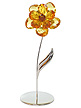
Dambulla |
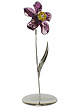
Deoli |
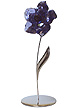
Darany |
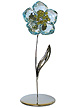
Daeni |
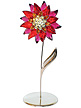
Domoni |
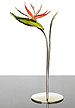
Dalmally |

Dindori |
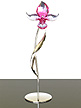
Dorora |
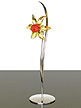
Dacali |
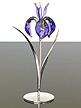
Damboa |
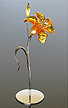
Dillia |
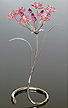
Dalisa |
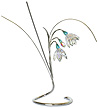
Damarys |
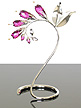
Dacea |

Dellaria |
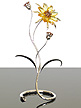
Darigold |
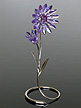
Drina |
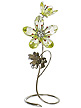
Deoria |
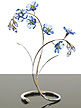
Danuba |
The name Silver Crystal was coined in the mid- to late 1980's by a Swarovski craftsman who commented on "the silvery glow created by the object's spectral brilliance" when holding up a finished, faceted piece to the light. The crystal contains no trace of silver. A team of about 10 designers contribute regularly to the Silver Crystal range.
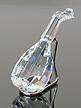
Lute |

Harp |
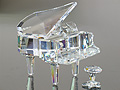
Grand Piano |
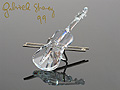
Violin |
Saxophone |

Apple |
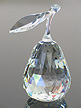
Pear |
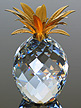
Pineapple, large |
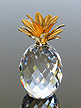
Pineapple, gold |
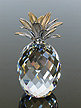
Pineapple, rhodium |

Grapes, medium |
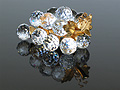
Grapes, small |
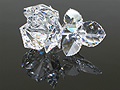
The Rose |
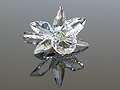
The Orchid, yellow |
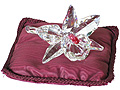
The Orchid, pink |
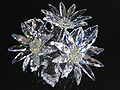
Maxi Flower |
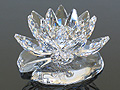
Waterlily, large |
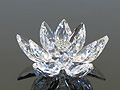
Waterlily, small |
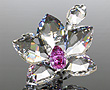
Orchid Blossom |
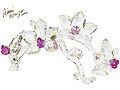
Orchids |
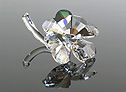
Four-Leaf |
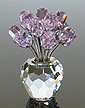
A Dozen Pink Roses |
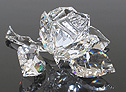
Rose Blossom |

Roses |
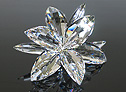
Lily |
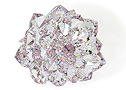
Dahlia |

Peony |
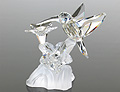
Hummingbird |
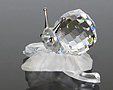
Snail on Vine Leaf |
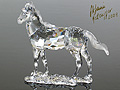
Mare |
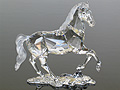
Stallion |
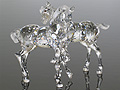
Foals |
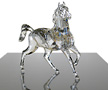
Stallion |
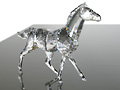
Horse |
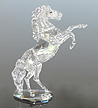
Stallion |

Siamese Fighting Fish |
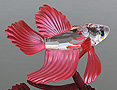
Siamese |
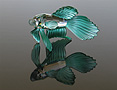
Siamese |
Baby |

School of Fish |

Lion Fish |
Blowfish |

Shell with Pearl |
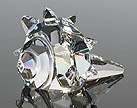
South Sea Shell |
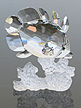
Butterfly Fish |
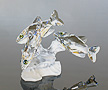
Three |
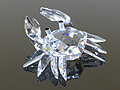
Crab |

Baby Shark |
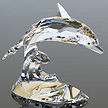
Dolphin |
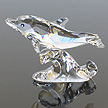
Baby Dolphin |
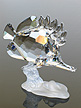
Longnose |
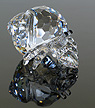
Hermit Crab |
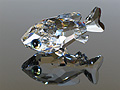
Miniature Goldfish |

Sea Horses |
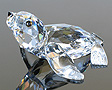
Baby |
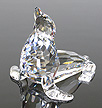
Mother Sea Lion |

Puffins |
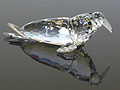
Walrus |

Polar Bear |
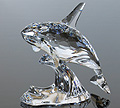
Orca |
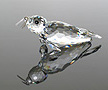
Seal, large |

Penguin, large |
Penguin, mini |
Baby Penguins |

Owl, large |

Owl, big |
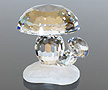
Mushrooms or |

Fox |
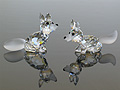
Fox, mini |
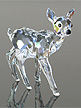
Fawn |
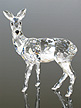
Doe |
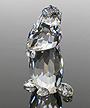
Marmot |

Grizzly |

Grizzly Cub |
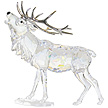
Stag |
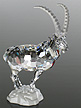
Ibex |
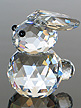
Rabbit, mini |

Mother Rabbit |
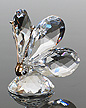
Butterfly, large |

Hedgehog, |
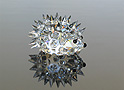
Hedgehog, |
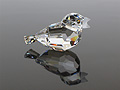
Sparrow |
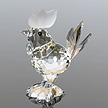
Rooster, mini |

Hen, mini |
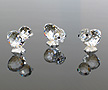
Chicks, mini |
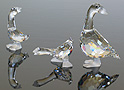
Mother Goose |
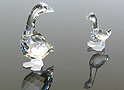
Mother Goose |
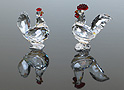
Cockerel |

Rooster |
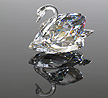
Swan, large |

Ducks |
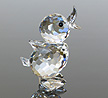
Drake, mini |
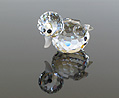
Duck, swimming |

Duck, standing |
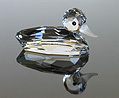
Mallard |
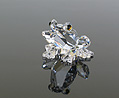
Frog |
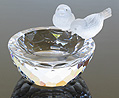
Bird Bath |
Dove |

Bald Eagle |
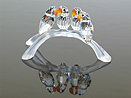
Baby Lovebirds |
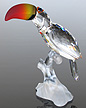
Toucan |
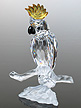
Cockatoo |
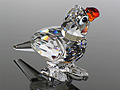
Parrot |

Malachite |
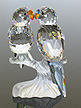
Budgies |
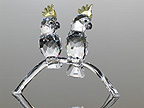
Cockatoos |
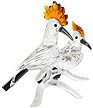
Hoopoes |
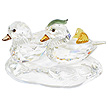
Mandarin Ducks |

Silver Heron |
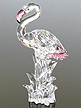
Flamingo |
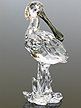
Spoonbill |

Miniature |

Swan |
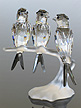
Swallows |
Turtledoves |
Turtledoves |
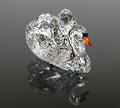
Sparkling Swan |
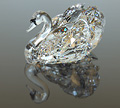
Graceful Swan |
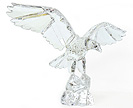
Eagle |
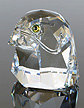
Falcon Head, small |

Koala |

Mother Kangaroo |
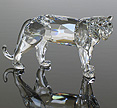
Tiger |
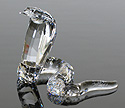
Cobra |

Hippopotamus |
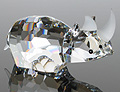
Rhinoceros |
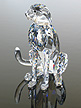
Cheetah |
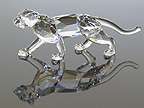
Leopard |

Baby Giraffe |

Giraffe |
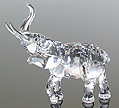
Mother Elephant |
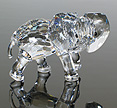
Little Elephant |
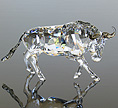
Gnu |
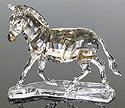
Zebra |
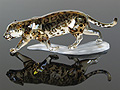
Jaguar |

Camel |
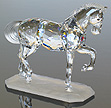
Arabian Stallion |
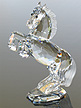
White Stallion |
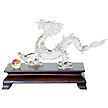
Dragon |
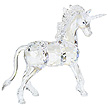
Unicorn |
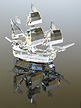
Santa María |
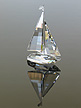
Sailboat |
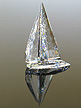
Sailing Legend |
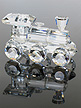
Locomotive |
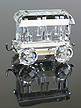
Wagon Carriage |
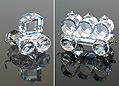
Tender Car |

Tipping Wagon |
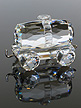
Tank Wagon |
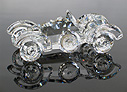
Oldtimer |

Aeroplane |
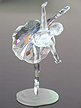
Ballerina |
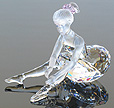
Young Ballerina |
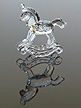
Rocking Horse |
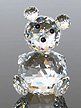
Bear, large |
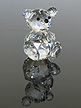
Bear, small |
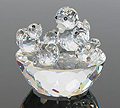
Birds' Nest |
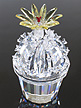
Flowering Cactus |

Sweet Heart |
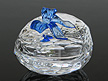
Sweet Heart |
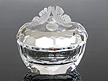
Treasure Box |
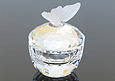
Treasure Box |
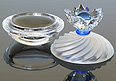
Blue Flower |
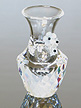
Vase |

Table Bell, medium |
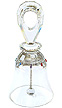
Solaris Table Bell |
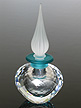
Oriental Flacon |
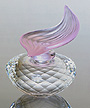
Rose Flacon |
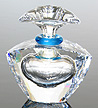
Napoleon Flacon |
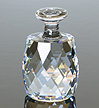
One Ton Paperweight |
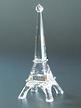
Eiffel Tower |

Tower of Pisa |
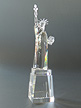
Statue of Liberty |
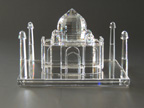
Taj Mahal |
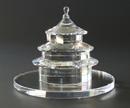
Temple of Heaven |
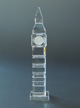
Big Ben Tower |
The Swarovski Crystal Society and SCS Annual Editions were started in 1987. Each Annual Edition conformed to a "theme" that spanned three years. Since 2011, Swarovski has suspended the trilogy concept and come out with Independent Annual Editions.
|
Caring and Sharing 1987 - 1989 |
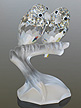
The Lovebirds |
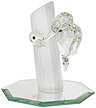
The Woodpeckers |
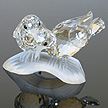
The Turtledoves |
|
|
Mother and Child 1990 - 1992 |
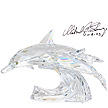
The Dolphins |
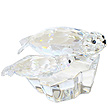
The Seals |
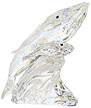
The Whales |
|
|
Inspiration Africa 1993 - 1995 |
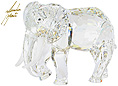
The Elephant |
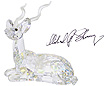
The Kudu |
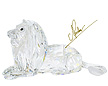
The Lion |
|
|
Fabulous Creatures 1996 - 1998 |

The Unicorn |
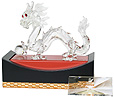
The Dragon |
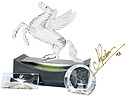
The Pegasus |
|
|
Masquerade 1999 - 2001 |
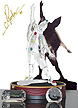
Pierrot |
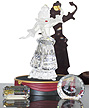
Columbine |
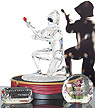
Harlequin |
|
|
Magic of Dance 2002 - 2004 |

Isadora |
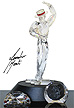
Antonio |

Anna |
|
|
Wonders of the Sea 2005 - 2007 |
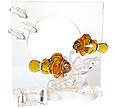
Harmony |
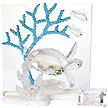
Eternity |
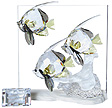
Community |

SCS trilogy gift |
|
Endangered Wildlife 2008 - 2010 |
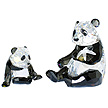
Pandas |
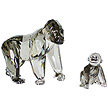
Gorillas |
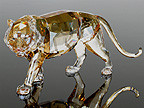
Tiger |
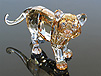
SCS trilogy gift |
|
Independent Annual Editions |
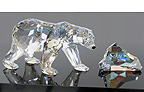
Polar Bear Siku |
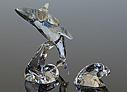
Whale Paikea |
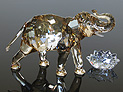
Elephant Cinta |
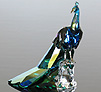
Loyalty gift 2013 |
|
Independent Annual Editions |
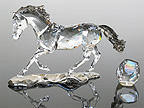
Horse Esperanza |

Peacock Arya |

Lion Akili |
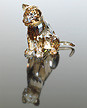
Loyalty gift 2016 |
|
Independent Annual Editions |
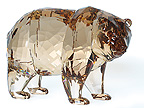
Bear Arcadia |
Giraffe Mudiwa |
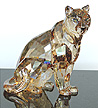
Amur Leopard Sofia |
Stag Alexander |
| Elegance of Africa |
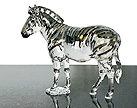
Zebra Amai |
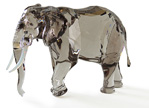
Elephant Fayola |
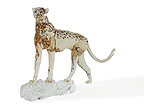
Cheetah Mehira |
The Eagle was the first Numbered Limited Edition, released in 1995. The Peacock followed in 1998 and the Wild Horses in 2001. Although the edition size of 10,000 worldwide is extremely large, the quality and artistry of the designs have made them very successful. The level of interest from collectors seems to have dropped significantly for the more recent editions, undoubtedly due to the economic recession of the mid- to late 2000's and, to some degree, market saturation.
The Black Bull, issued in 2005, is the first Limited Designer Edition. The opaque, jet black color is rarely matched by other crystal manufacturers and gives the piece a dramatic effect that makes it especially desirable, despite the fact the very same design in clear crystal – the Bull – was released the previous year. Designer Adi Stocker hand-signed every Black Bull in the edition of 1,000.
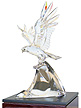
The Eagle |
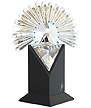
The Peacock |
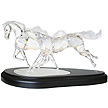
Wild Horses |
The Bull |
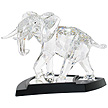
The Elephant |
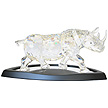
The Rhinoceros |
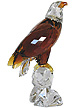
The Bald Eagle |
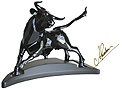
The Black Bull |

Black |

Panther |

XMas Snowflake |
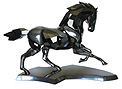
The |
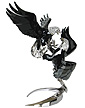
Pair of Eagles |
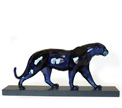
The Leopard |

The Lion |
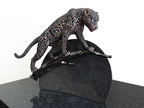
Moonlight |
The Commemorative Editions are limited to the year they are issued. Anton Hirzinger's Centenary Swan marked the Swarovski 100-year anniversary in 1995 and the Crystal Planet was the Millennium Edition. The Anniversary Editions of the Crystal Society, or SCS Jubilee Editions, are issued once every five years, beginning with Gabriele Stamey's Birthday Cake in 1992.
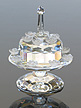
The Birthday Cake |
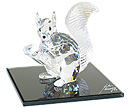
The Squirrel |
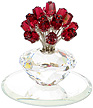
The Vase of Roses |
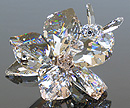
The Collector |
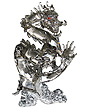
SCS Dragon |

SCS Swans |
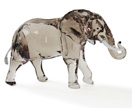
Elephant Zena |
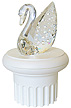
Centenary Swan |
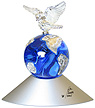
Crystal Planet |
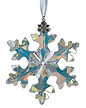
25th Anniversary |

Panda Cub |

Gorilla Cub |
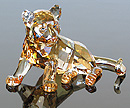
Tiger Cub sitting |
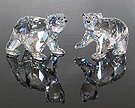
Polar Bear Cubs |

Young Whale |

Young Elephant |
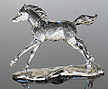
Foal |
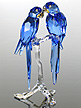
Hyacinth Macaws |
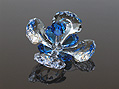
Peacock Flower |

White Peacock |
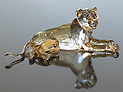
Lion Mother |
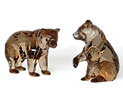
Bear Cubs |
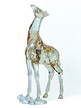
Giraffe Baby |
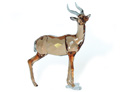
Gazelle |
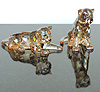
Amur Leopard Cubs |
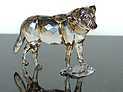
Gray Wolf |
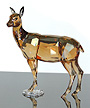
Doe |
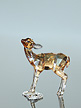
Fawn |

Edelweiss |
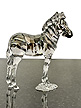
Zebra Baby |
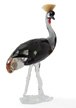
Crane |
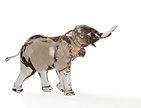
Elephant Baby |

Cheetah Baby |
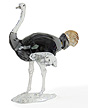
Ostrich |
|
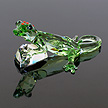
Gecko |
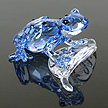
Blue Dart Frog |
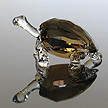
Galapagos Tortoise |
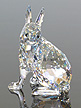
Arctic Hare |
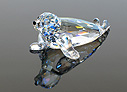
Baby Seal |

Butterfly |
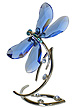
Dragonfly |
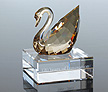
SCS Swan |
Baby |
Bumblebee |
Ermine |

Marmot |
|||

SCS Ornament |
SCS Ornament |
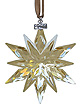
SCS Ornament |
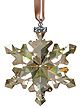
SCS Ornament |

SCS Ornament |

SCS Ornament |
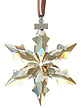
SCS Ornament |
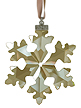
SCS Ornament |
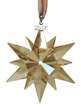
SCS Ornament |
There are several Ornament series produced by Swarovski. Perhaps most popular is the Annual Edition Star and Snowflake Ornament series, which started in 1991 with the Star Christmas Ornament by Hilde Nagler. Beginning in 2018, Swarovski stopped associating their ornaments with any particular religious holiday.
The first annual Ball and Bell Ornaments came out in 2013 and 2015, respectively.

Star |
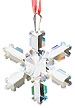
Snowflake |
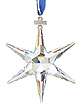
Star |
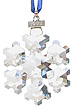
Snowflake |
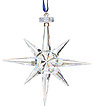
Star |
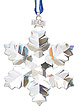
Snowflake |
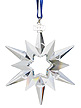
Star |
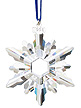
Snowflake |
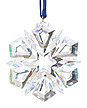
Star |
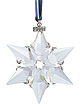
Star |
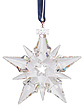
Stellar Snowflake |
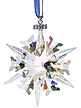
Stellar Snowflake |
Stellar Snowflake |

Stellar Snowflake |
Star |
Snowflake |

Star |
Snowflake |
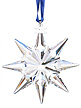
Star |

Snowflake |
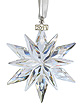
Star |
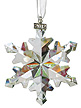
Snowflake |
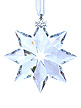
Star |
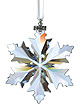
Snowflake |
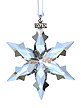
Star |
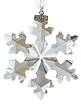
Snowflake |
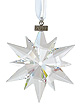
Star |
|||

Ball Ornament |
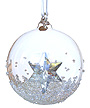
Ball Ornament |
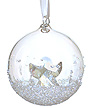
Ball Ornament |
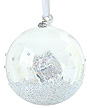
Ball Ornament |

Ball Ornament |
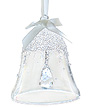
Bell Ornament |
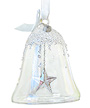
Bell Ornament |

Bell Ornament |